
Domov> showlist
CG: I am interested in the extrusion of carbon fiber, because I think it is a marriage of technology and creativity. And those little ropes of carbon you know, carbon is very strong, but it’s also very light, so you can make all sorts of cool things with it. You are almost making a type of magic fabric that could be used to build cars, planes even bicycles. The process isn’t cool just for being cool; it’s also a way to create things that are strong and lightweight. This is important because it’s the kind of way to’ll save fuel and improve transportation for everyone. By carbon fiber extrusion we can manufacture high-tech and environmentally friendly products.
Carbon-fiber extrusion maybe a big, fancy metal-sounding term but when it comes down to it it’s a pretty simple concept. Think of a superlong, very skinny spaghetti noodle except instead of being made from a cloister of pasta, it’s constructed out of carbon strands. These strands are squeezed through a machine kind of like squeezing toothpaste from a tube into shapes that are super strong and super light. Jwell utilizes that technology to make parts for a number of things, such as cars and planes. “It’s sort of like making a suit of armor for objects,” if you will giving them super strength without the super weight.” What sets carbon fiber extrusion apart is that it allows manufacturers to produce parts that are not only strong, but have a function.
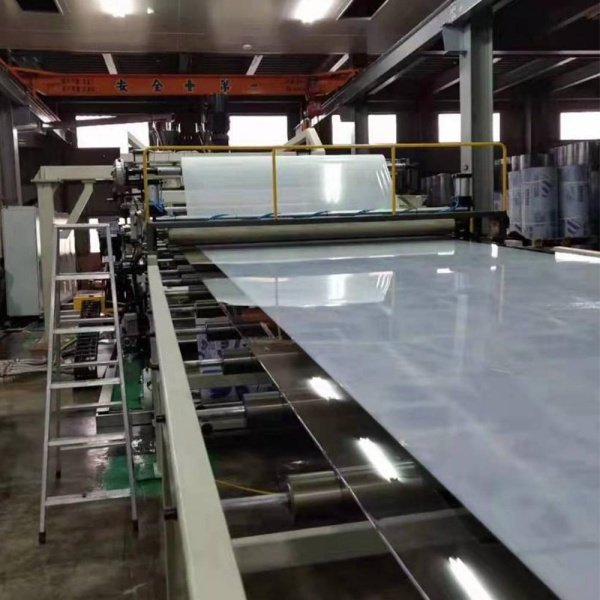
Making product with carbon fiber extrusion has so many benefits. First, it's lighter and requires less energy to transport. And that is the marvel of carbon fibe. Use this technology to produce components that enable vehicles to move faster while consuming less fuel. And carbon fiber is plenty strong, so products will last longer and are also harder to break. That’s more cost- and resource-effective in the long run. It is like having something that never goes tired and can carry on forever, being strong always. As a whole, carbon fiber extrúzny stroj has a role in making products bigger and better, which people use every day.
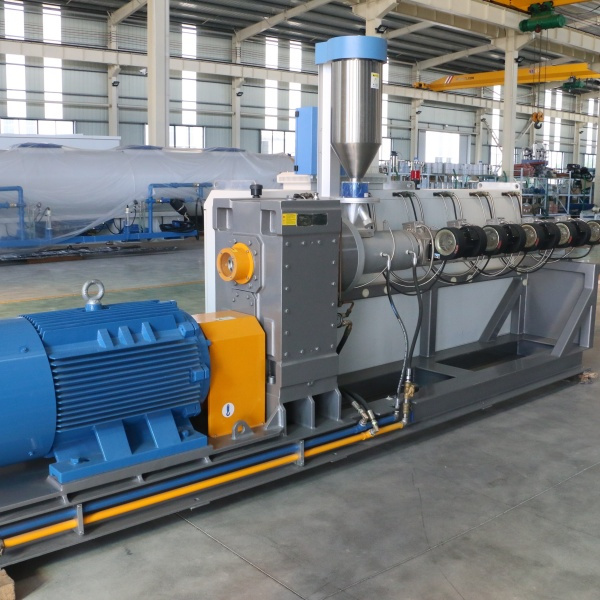
When it comes to airplanes and rockets, every ounce counts. Which is why carbon fiber 3D printing is something of a game changer for aerospace. Must be light for fuel saving : The less used fuel the less carbon we send into the atmosphere, and the farther you can fly on a tank of gas remember, lessening fuel consumption is a huge imperative for the environment and for your wallet. Jwell has spearheaded the creation of such revolutionary products. Imagine if a plane didn’t have to land as frequently to refuel, or there could be more scientific equipment on a space rocket. And carbon fiber is why these dreams can, in some smallways, come true. It’s like putting an extra kick on wings. And when exploring the heavens, even a few ounces of weight can start to make a lot of difference.

It is hard to imagine a carbon fiber vytláčacie profily, but you might picture it as baking a cake. You start by gathering up the building blocks, the carbon fibers. These are then mixed with a unique glue. The three are pushed through a machine that shapes them, comparable to how frosting from a cake passes through a piping bag. This is technology that Jwell has developed and that now allows the end product to be both tough and light. The molded item is then extruded, followed by baking in an oven to set it at just the point of hardness. This may sound simple, but a huge amount of precision and skill is needed so that the carbon has a chance to do its job. The final result is a part that can be used in anything from cars to spacecraft!
 EN
EN ES
ES PT
PT AR
AR RU
RU FR
FR BG
BG HR
HR DA
DA NL
NL DE
DE EL
EL IT
IT JA
JA KO
KO NO
NO PL
PL RO
RO SV
SV TL
TL IW
IW ID
ID LT
LT SR
SR UK
UK VI
VI ET
ET HU
HU MT
MT TH
TH TR
TR FA
FA AF
AF MS
MS SW
SW BE
BE IS
IS AZ
AZ KA
KA LA
LA ZU
ZU KK
KK TG
TG UZ
UZ KY
KY XH
XH


